Rules to Know for Chase Credit Card Applications (Chase 5/24, 2/30, New Sapphire Rules)
Before applying, learn how Chase’s approval and bonus restrictions work—from 5/24 and the Sapphire Rules to business card exceptions—so you can maximize your approvals and intro offers.

Before applying to Chase credit cards, it’s important to understand the rules for applications (2/30 Rule), eligibility (5/24 Rule), and bonuses (once every two years).
2/30 Rule
The 2/30 rule says that you can only have two applications every 30 days or else you’ll automatically be rejected.
If you don’t have a high credit score (700+), your chances of getting approved for the Chase Sapphire Reserve® is slim. Chase usually looks for a great credit score or a banking relationship. It’s a lot easier and less risky for Chase to give you a credit line of $1,000 with the Chase Freedom Flex®, as opposed to the minimum $10,000 credit limit with the Chase Sapphire Reserve.
5/24 Rule
The most infamous rule is the Chase 5/24 rule. The idea is if you have more than five new credit cards in the past 24 months, from any issuer, you’ll automatically get rejected for certain Chase cards.
For example, if you received 4 Bank of America credit cards and 1 Citi credit card in the past 24 months, then your Chase application will be automatically rejected because of 5/24.
The main exception to this is Chase business cards because they don’t go on your credit report. Even though Chase can see them on your report, they don’t care.
Intro Bonuses
Regarding intro bonuses, you can qualify for a new bonus every 24 months. For example, if you received the Hyatt sign up bonus in 2013 and applied for the card again in 2017, you would be eligible to receive a new bonus.
If you’re currently an authorized user for a card you want to apply for, you should remove yourself to qualify for the intro bonus.
Chase Sapphire Cards
The Chase Sapphire suite of cards has dramatically updated application rules with the 2025 relaunch:
- Chase has officially removed the 48-month rule for Sapphire cards.
- Intro bonus limitations are no longer time-based (48-month lookback period for eligibility).
Once-Per-Lifetime Rule:
- You are now limited to receiving only one intro bonus per card.
- This applies to Sapphire cards, including: Chase Sapphire Preferred® Card, Chase Sapphire Reserve®, and Sapphire Reserve for Business℠ Credit Card.
- Once you have received an intro bonus for one of the cards, you won't be able to earn it again on the same card.
- This is retroactive (so if you've received a bonus for the Chase Sapphire Preferred® Card in the past, you won't be able to earn it again)
Active Sapphire Rule:
- If you're an active holder of any Sapphire card, you won't be eligible for the intro bonus of a different Sapphire product, even though you can hold both at the same time.
- For example, if you currently hold the Chase Sapphire Preferred® Card, you can apply and get approved for the Chase Sapphire Reserve®, but since you had an active Sapphire card, you won't be eligible for the bonus (even if you otherwise would be).
Past Sapphire Rule:
- If you were previously a Sapphire member but downgraded or canceled, you're eligible for other Sapphire bonuses, as long as you've never had that specific card before.
- For example, if you previously had the Chase Sapphire Preferred® Card and canceled it a few months ago, you're eligible for the Chase Sapphire Reserve® intro bonus (as long as you've never received an intro bonus for the latter).
- The system needs to recognize that you're no longer a Sapphire customer, and the best practice is to wait 1-2 weeks from downgrading or canceling (to avoid the risk of triggering the Active Sapphire Rule above).
- For example, if you have the Chase Sapphire Preferred® Card (ideally for 12+ months) but want the Chase Sapphire Reserve® (and to receive the intro bonus), then you should downgrade the former and wait ~2 weeks before applying for the latter.
⁉️ For a deep dive and FAQ on the new Chase Sapphire rules, read this article.
 Chase Sapphire Preferred® Card
Annual fee: $95
Sebby’s Take: One of the best starting points into the travel rewards world. You have flexible points, strong multipliers, a reasonable annual fee, and tons of optionality (whether team cash back or travel).
Annual fee: $95
Sebby’s Take: One of the best starting points into the travel rewards world. You have flexible points, strong multipliers, a reasonable annual fee, and tons of optionality (whether team cash back or travel).
 Chase Sapphire Reserve®
Annual fee: $795
Sebby's Take: This premium travel card is packed with perks like airport lounge access, travel credits, and elevated rewards on travel and dining. It’s a top choice for frequent travelers who want premium benefits and flexible redemption options
Annual fee: $795
Sebby's Take: This premium travel card is packed with perks like airport lounge access, travel credits, and elevated rewards on travel and dining. It’s a top choice for frequent travelers who want premium benefits and flexible redemption options
“One Southwest Rule”
You are not eligible for a personal Southwest credit card intro bonus if you:
Currently have any (personal) Southwest Rapid Rewards credit card
Received a Southwest Rapid Rewards credit card intro bonus in the past 24 months
The above rules do not apply to the Southwest Rapid Rewards Business cards. There are currently 3 personal Southwest credit cards, so you can only get the intro bonus for one every 24 months.
However, if you want to earn Southwest Companion Pass from credit cards, you can apply for one personal and one business Southwest card.
Chase Business Credit Cards
Chase business credit cards are affected by 5/24 (you can get rejected due to 5/24).
Chase business cards (and business cards from most issuers other than Capital One) do not show up as a new account on your credit report and therefore do NOT add to 5/24.
For example, you can be at 4/24, add an Ink Business Cash® Credit Card, and you would still be at 4/24.
On the flip side, if you are at (or above) 5/24, and apply for an Ink Business Cash® Credit Card, the application would be rejected due to the 5/24 rule.
In Nov 2025, Chase introduced some new rules for Ink cards.
You might not qualify for the new-card bonus if you’ve ever had this card or any other Chase business card with no annual fee. Chase may also review your business details when determining eligibility.
You might not qualify for the new-card bonus if you’ve ever had this exact card. Chase may also review your business details when determining eligibility.
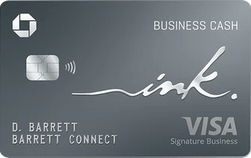 Ink Business Cash® Credit Card
Annual fee: $0
Sebby's take: Ideal for people with high spend at office supply stores or on internet, cable and phone services. Given the flexibility of Ultimate Reward (UR) points, this is one of the best earners cards.
Annual fee: $0
Sebby's take: Ideal for people with high spend at office supply stores or on internet, cable and phone services. Given the flexibility of Ultimate Reward (UR) points, this is one of the best earners cards.
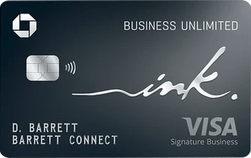 Ink Business Unlimited® Credit Card
Annual fee: $0
Sebby's Take: A great catch-all card for "everything else" spend. Despite the marketing, you earn Ultimate Reward (UR) points which can be useful if you have a Sapphire Preferred/Reserve or Ink Preferred.
Annual fee: $0
Sebby's Take: A great catch-all card for "everything else" spend. Despite the marketing, you earn Ultimate Reward (UR) points which can be useful if you have a Sapphire Preferred/Reserve or Ink Preferred.
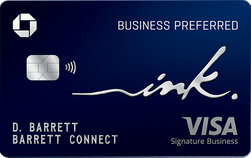 Ink Business Preferred® Credit Card
Annual fee: $95
Sebby's Take: A good option for those with high shipping, advertising (social media and search engine), or travel purchases. Also great for those with large internet, cable, and phone service bills.
Annual fee: $95
Sebby's Take: A good option for those with high shipping, advertising (social media and search engine), or travel purchases. Also great for those with large internet, cable, and phone service bills.
 Sapphire Reserve for Business℠
Annual fee: $795
Sebby's Take: If your business spends heavily on travel, advertising, or software, the card can return a lot of value—especially once you factor in the travel credits and lounge access. It’s a strong option for founders who want to consolidate spend and earn flexible points.
Annual fee: $795
Sebby's Take: If your business spends heavily on travel, advertising, or software, the card can return a lot of value—especially once you factor in the travel credits and lounge access. It’s a strong option for founders who want to consolidate spend and earn flexible points.
Optimal Strategy
If you’re looking for the optimal strategy, go for the Chase cards you want first based on your goals (travel or cash back) before any other credit issuer.
The benefit of going for Chase cards first is that unlike other card issuers, most of the core Chase cards have no annual fee product change options to keep your credit history alive.
At the end of the day, we recommend applying for cards that make sense for you and add value based on what you’re trying to achieve.
💳 Featured Card Offers
100,000 bonus points
75,000 bonus points

Earn $200 cash back
In this article
- 2/30 Rule
- 5/24 Rule
- Intro Bonuses
- Chase Sapphire Cards
- “One Southwest Rule”
- Chase Business Credit Cards
- Optimal Strategy
💳 Featured Card Offers
100,000 bonus points
75,000 bonus points
Earn $200 cash back